
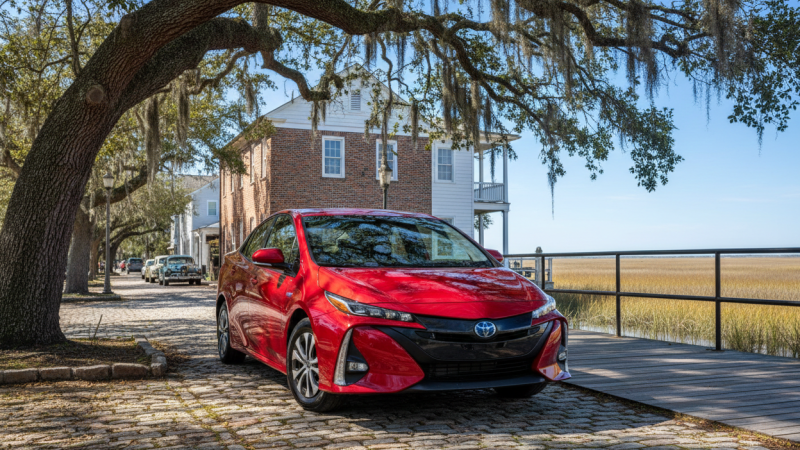
In the high-stakes world of modern automotive engineering, the “3,000-mile oil change” has officially moved from a standard of care to a relic of the past. As we navigate through 2026, the intersection of advanced synthetic chemistry and precision manufacturing has fundamentally altered the maintenance landscape. For the discerning enthusiast, understanding this shift isn’t just about saving a Saturday morning—it’s about matching your maintenance philosophy to the actual mechanical reality of your machine.
The Death of the 3,000-Mile Myth
Modern internal combustion engines are built to tolerances that were once reserved for aerospace applications. Because parts fit together with such extreme precision, there is significantly less “blow-by” (combustion gases leaking into the crankcase) than in the engines of twenty years ago. When you pair this with full synthetic oils, which are engineered at a molecular level to resist thermal breakdown and oxidation, the standard interval for a “normal” use case has comfortably stretched to 7,500 to 10,000 miles. In fact, many manufacturers now specify 12 months or 10,000 miles as the baseline.
Digital Guardians: The Rise of Oil-Life Monitors
The dipstick is no longer the final authority. Most 2026 models utilize sophisticated Oil-Life Monitoring (OLM) systems. Unlike simple odometers, these systems track engine revolutions, operating temperatures, idle time, and even ambient humidity to calculate the actual degradation of the lubricant. If you spend your time in stop-and-go traffic or towing a boat through the humid Lowcountry marshes, the OLM will “pull” your service date forward. If you primarily cruise the interstate, it will push it back. Trusting this system is now considered more accurate than following a fixed mileage count.
The Hybrid and EV Divide
The conversation changes entirely when we look at the electrified market.
- Hybrids: These are often the most misunderstood. While it’s true the gasoline engine (ICE) runs less frequently, it actually faces a unique stressor: cold-start wear. A hybrid engine may kick on at 60 mph while the oil is still stone-cold. Because of this, oil change intervals for hybrids generally mirror their gas-only counterparts to ensure the additives can handle the frequent temperature swings.
- Electric Vehicles (EVs): This is the ultimate “maintenance-free” dream. Since an EV has no pistons, valves, or combustion, it has no motor oil to change. You are swapping oil filters for cabin air filters and tire rotations. However, do not be fooled into thinking there are no fluids; EVs still require thermal management coolant and gearbox lubricants that eventually require professional inspection.
Why it Still Matters
Is oil still important? More than ever. In a 2026 high-compression or turbocharged engine, the oil isn’t just a lubricant—it’s a hydraulic fluid. It operates the variable valve timing (VVT) and keeps the turbochargers from self-destructing under immense heat. Skipping a change doesn’t just “wear out” the engine; it can cause the complex timing systems to fail, leading to catastrophic internal damage.